
How Do You Protect a Cedar Pergola From Winter Weather in North Texas?
To protect a cedar pergola from winter weather in North Texas, remove accumulated debris, inspect the wood for damage, maintain a quality exterior water-repellent finish, and check structural connections before freezing conditions arrive. Proper drainage and routine maintenance also help prevent moisture damage, wood deterioration, and problems caused by winter storms.
Cedar pergolas are a popular addition to outdoor living spaces because of their natural beauty, durability, and timeless appearance. While cedar naturally resists decay better than many other wood species, it still benefits from routine maintenance, especially during unpredictable winter weather.
North Texas homeowners can experience mild winter afternoons followed by freezing temperatures, heavy rain, ice, and strong winds. These fluctuations make seasonal preparation especially important for outdoor wood structures.
At Buildometry, we specialize in custom pergolas, patio covers, and outdoor living spaces designed to enhance the appearance and functionality of residential properties. Our team understands the importance of selecting quality materials, using thoughtful construction techniques, and helping homeowners protect their outdoor investments. With the right maintenance routine, a cedar pergola can remain a beautiful backyard feature for many years.
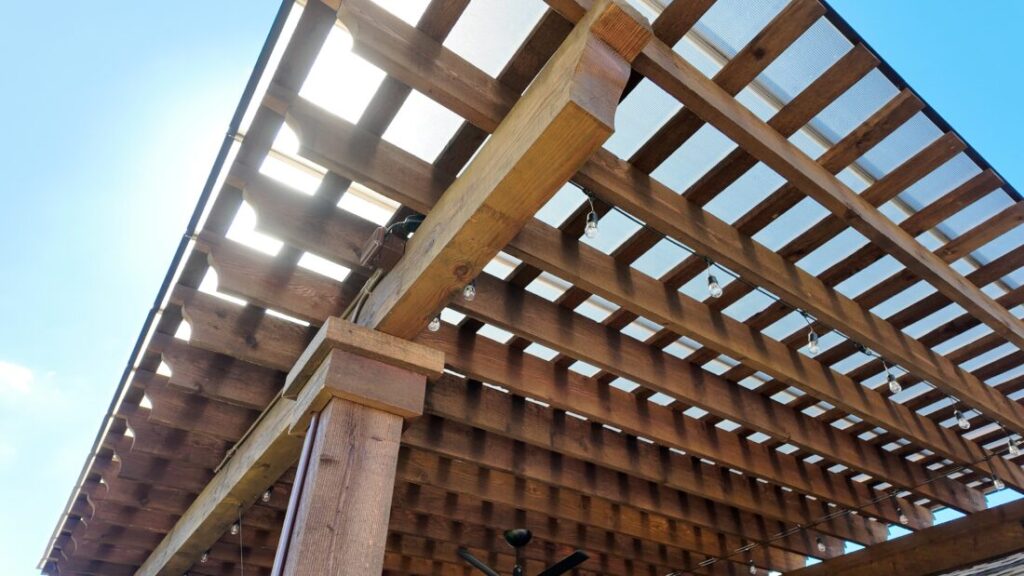
Winter Maintenance Tips for Cedar Pergolas in North Texas
Protecting a cedar pergola involves managing moisture, maintaining protective finishes, and identifying potential problems before winter storms arrive.
The following steps can help homeowners preserve their pergola’s appearance and structural condition.
1. Why Does Cedar Need Protection During North Texas Winters?
Cedar is naturally resistant to decay, but prolonged moisture exposure and repeated weather changes can still affect its appearance and performance.
Cedar contains natural compounds that help resist certain insects and fungal decay. However, these properties do not make the wood completely weatherproof.
According to the USDA Forest Products Laboratory’s Wood Handbook, wood responds to changes in moisture content by expanding and shrinking. Over time, repeated moisture fluctuations can contribute to checking, warping, and other dimensional changes.
In North Texas, winter conditions can expose cedar pergolas to:
- Heavy rainfall and prolonged moisture
- Freezing temperatures and occasional ice accumulation
- Rapid temperature changes
- Strong winds during passing storms
- Damp leaves and debris that trap moisture against the wood
While small surface checks are common in exterior wood, homeowners should watch for deeper splits, soft spots, or movement around structural connections.
Routine inspections help distinguish normal weathering from conditions that may require professional attention.
2. Should You Seal or Stain a Cedar Pergola Before Winter?
Applying a suitable exterior wood finish can help reduce moisture absorption and protect the appearance of a cedar pergola.
A quality water-repellent stain or protective finish can help limit weather-related deterioration while preserving the wood’s natural character.
However, not every pergola needs to be refinished annually. The maintenance schedule depends on the product used, previous preparation, sun exposure, and overall condition of the wood.
Before applying a finish:
- Inspect the surface. Look for peeling coatings, discoloration, and areas where water readily absorbs into the wood.
- Clean the cedar. Remove dirt, mildew, and accumulated debris using products appropriate for exterior cedar.
- Allow the wood to dry. Follow the finish manufacturer’s moisture and drying requirements.
- Choose a compatible product. Select an exterior finish intended for cedar and exposed wood structures.
- Check the weather forecast. Apply the product only within the manufacturer’s recommended temperature and humidity conditions.
A penetrating, water-repellent stain is often a practical option for exposed cedar because it can provide protection without creating a thick surface film.
If freezing temperatures are approaching, avoid rushing the application. Some finishes require extended drying or curing periods before exposure to rain or cold weather.
3. How Do You Prevent Water Damage to a Cedar Pergola?
Keeping moisture from collecting on and around the pergola is one of the most effective ways to reduce long-term wood damage.
Although pergolas typically have open overhead framing, their beams, rafters, and posts can still collect water and organic debris.
Simple maintenance steps include:
- Remove leaves and branches from overhead beams and rafters.
- Keep gutters and nearby drainage systems clear.
- Trim vegetation that traps moisture against cedar posts.
- Check that water drains away from post bases.
- Avoid allowing mulch or soil to accumulate against wood.
- Inspect post bases and connectors for corrosion or deterioration.
Pay particular attention to areas where wood meets concrete or masonry.
These locations can experience prolonged moisture exposure when drainage is inadequate.
For homeowners planning a new custom pergola, thoughtful post-base details and proper site drainage can help reduce future maintenance concerns.
Buildometry incorporates practical construction considerations into custom outdoor structures so that homeowners can enjoy attractive spaces built for everyday use.
4. Can Ice and Freezing Temperatures Damage a Cedar Pergola?
Yes, heavy ice accumulation, falling branches, and winter storm winds can damage a cedar pergola, particularly when structural components are already weakened.
North Texas occasionally experiences significant winter storms, making structural preparation an important part of seasonal maintenance.
The National Weather Service recognizes freezing rain as a weather hazard because ice can accumulate on exposed surfaces and add substantial weight.
Unlike a solid patio roof, an open pergola generally allows much of the precipitation to pass between its rafters. However, ice can still collect on horizontal surfaces, attached accessories, and overhead coverings.
Before severe winter weather:
- Inspect beams and rafters for significant cracks or deterioration.
- Check visible bolts, brackets, and structural connections.
- Remove loose decorations and lightweight accessories.
- Secure or remove detachable shade canopies according to manufacturer instructions.
- Trim hazardous overhanging branches using qualified tree professionals when necessary.
Avoid striking ice-covered wood with metal tools or attempting to break heavy ice from overhead components.
If the pergola appears damaged or unstable after a storm, keep people away until a qualified professional can inspect it.
5. What Is the Best Year-Round Maintenance Schedule for a Cedar Pergola?
A simple seasonal maintenance routine can help preserve a cedar pergola and reduce the likelihood of expensive repairs.
Homeowners do not need to perform extensive maintenance every month. Instead, a few scheduled inspections throughout the year can help keep the structure in good condition.
Fall: Prepare for Winter
- Remove leaves, dirt, and debris.
- Inspect wood surfaces and connections.
- Check drainage around posts.
- Evaluate whether the existing protective finish needs attention.
Winter: Monitor Weather-Related Damage
- Inspect the structure visually after severe storms.
- Keep drainage areas clear when safe.
- Watch for unusual sagging or movement.
- Avoid placing additional weight on ice-covered components.
Spring: Evaluate Winter Wear
- Look for loose hardware, damaged wood, or moisture problems.
- Clean accumulated dirt and organic material.
- Address minor maintenance concerns before warmer weather.
Summer: Maintain Appearance and Protection
- Inspect the finish for fading or water absorption.
- Schedule cleaning or refinishing when necessary.
- Check for excessive vegetation growth around posts.
Following this routine helps homeowners identify maintenance needs before they become larger problems.
Frequently Asked Questions About Cedar Pergola Winter Care
Do cedar pergolas need to be covered during winter?
No. A properly designed and maintained cedar pergola generally does not need a winter cover. Temporary coverings can create additional wind or ice loads, so only use coverings approved for the structure.
How often should you seal a cedar pergola in North Texas?
The interval depends on the finish, exposure, and wood condition. Inspect the finish at least annually and reapply it according to the manufacturer’s recommendations rather than relying on a fixed schedule.
Will freezing temperatures cause cedar pergola posts to crack?
Cedar can develop surface checks as moisture levels change, but freezing temperatures alone do not necessarily cause structural damage. Deep splits, decay, or movement around connections should be professionally evaluated.
Can you pressure wash a cedar pergola before staining it?
Cedar can be damaged by excessive water pressure. Gentle cleaning with a cedar-compatible product and a soft brush is generally safer. Allow the wood to dry thoroughly before applying a protective finish.
Protect Your Outdoor Investment With Buildometry
A well-designed cedar pergola can provide lasting beauty, shade, and character to your backyard. With proper seasonal maintenance and attention to winter weather conditions, homeowners can help protect their outdoor structures for years to come.
At Buildometry, we create custom pergolas, patio covers, and outdoor living spaces that combine attractive design with quality craftsmanship. Whether you are planning a new cedar pergola or exploring ways to enhance your existing backyard, our team can help you create a space that fits your vision.
Ready to upgrade your outdoor living space? Contact Buildometry today to explore custom pergola designs and outdoor living solutions built for your lifestyle!